
Gelatin silver negative
Also known as: Dry plate
Period: 1890–1930 Tags: Glossary / Photography processes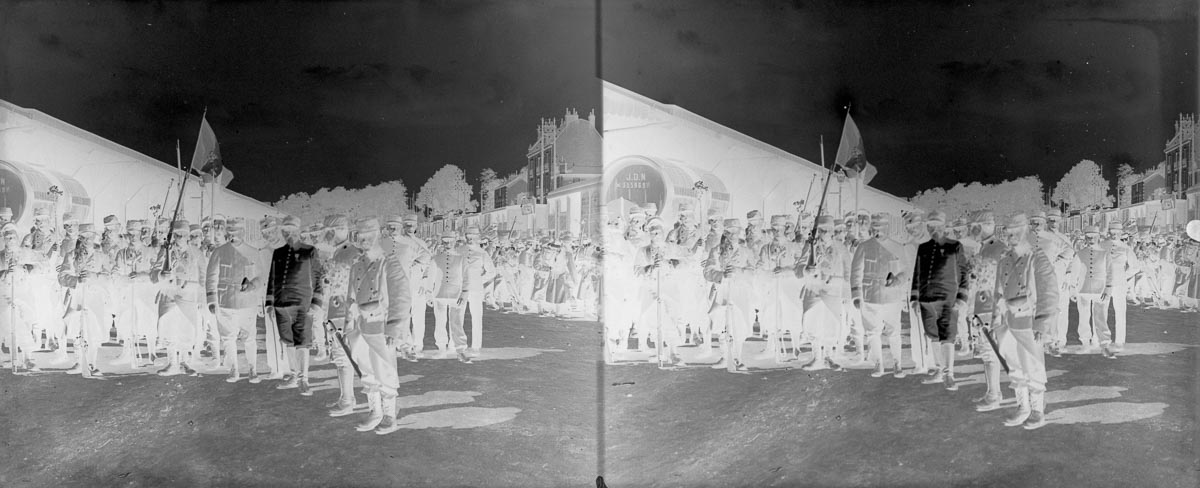
© Stereoscopy History
The gelatin silver process is a photographic method that uses silver halide crystals suspended in a gelatin binder as the light-sensitive medium. Introduced in the late 19th century, it became the dominant black-and-white photographic process for both negatives and positives.
A glass plate was coated with a gelatin emulsion containing silver halides and allowed to dry before use. Unlike wet collodion plates, gelatin dry plates could be manufactured in advance, stored, and used without immediate processing. They offered high sensitivity, fine detail, and great convenience, contributing to their rapid adoption from the 1870s onward.
Gelatin silver negatives were widely used for stereo photography from c. 1890 until c. 1930. They provided sharp negatives suitable for large-scale production of stereoviews.
Related items:Gelatin silver print Negative Positive Wet plate collodion
Process summary:
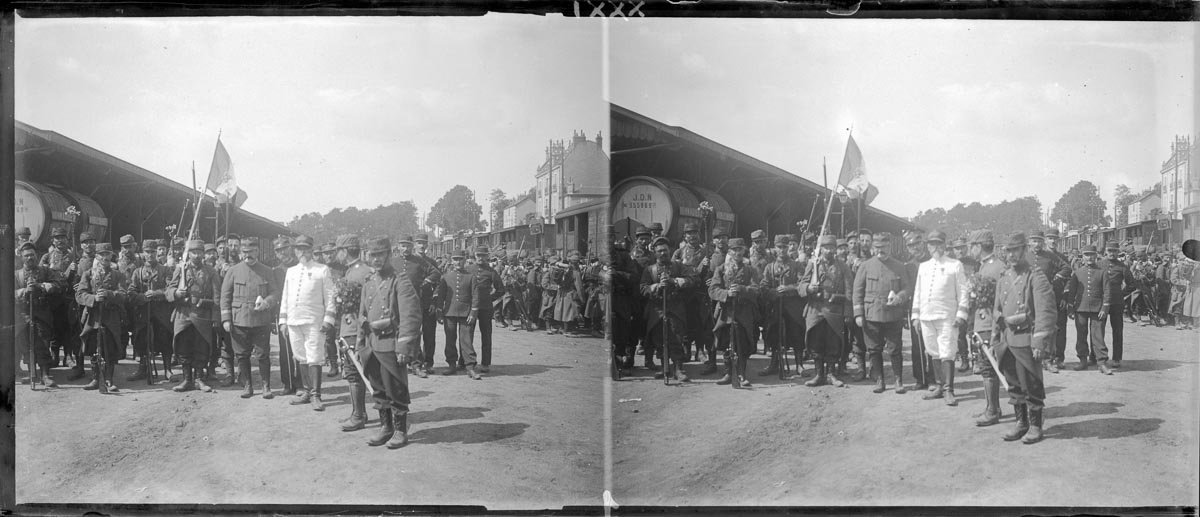
Inverted negative to positive.
© Stereoscopy History