
Negative
Period: 1850–1890 / 1890–1930 Tags: Glossary / Photography processes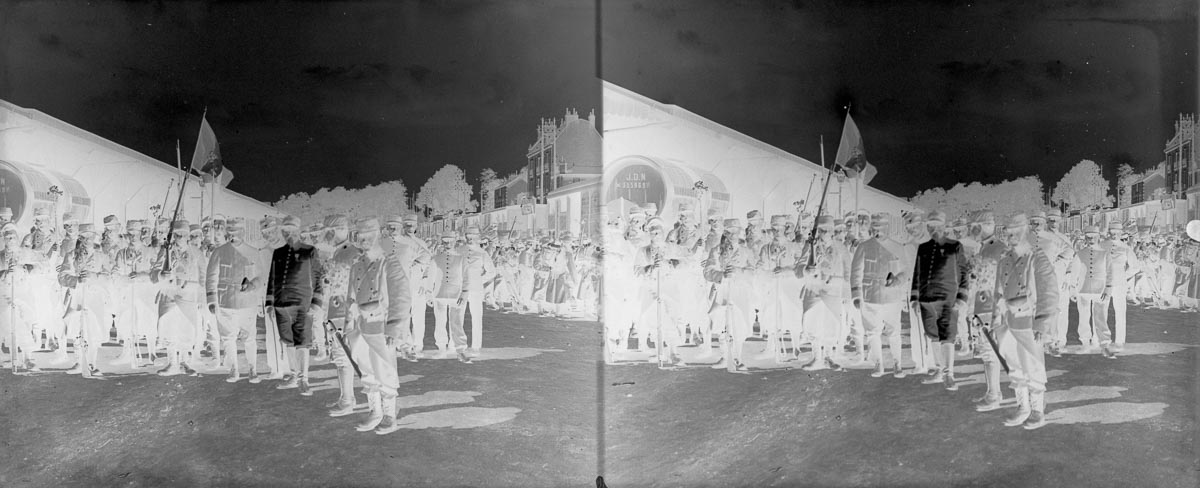
© Stereoscopy History
A negative is a photographic image in which the tonal values are reversed: bright areas of the subject appear dark, and dark areas appear light. In negative-based photography, the negative serves as an intermediate image from which one or more positive prints can be produced.
Negatives are typically formed on transparent supports such as paper, glass, or film. When light passes through the negative during printing, the reversed tonal values are converted back into a correct positive image on photosensitive material.
The introduction of the negative–positive process was a major development in photography, as it allowed multiple identical prints to be made from a single exposure. This reproducibility distinguished negative-based processes from direct positive processes, which produce unique images. Examples of negative processes are calotype and collodion.
Related items:Calotype Direct positive Positive Wet plate collodion